History
A Short History of Strasbourg, Told Street by Street
Published 7 October 2026 · 7 min read
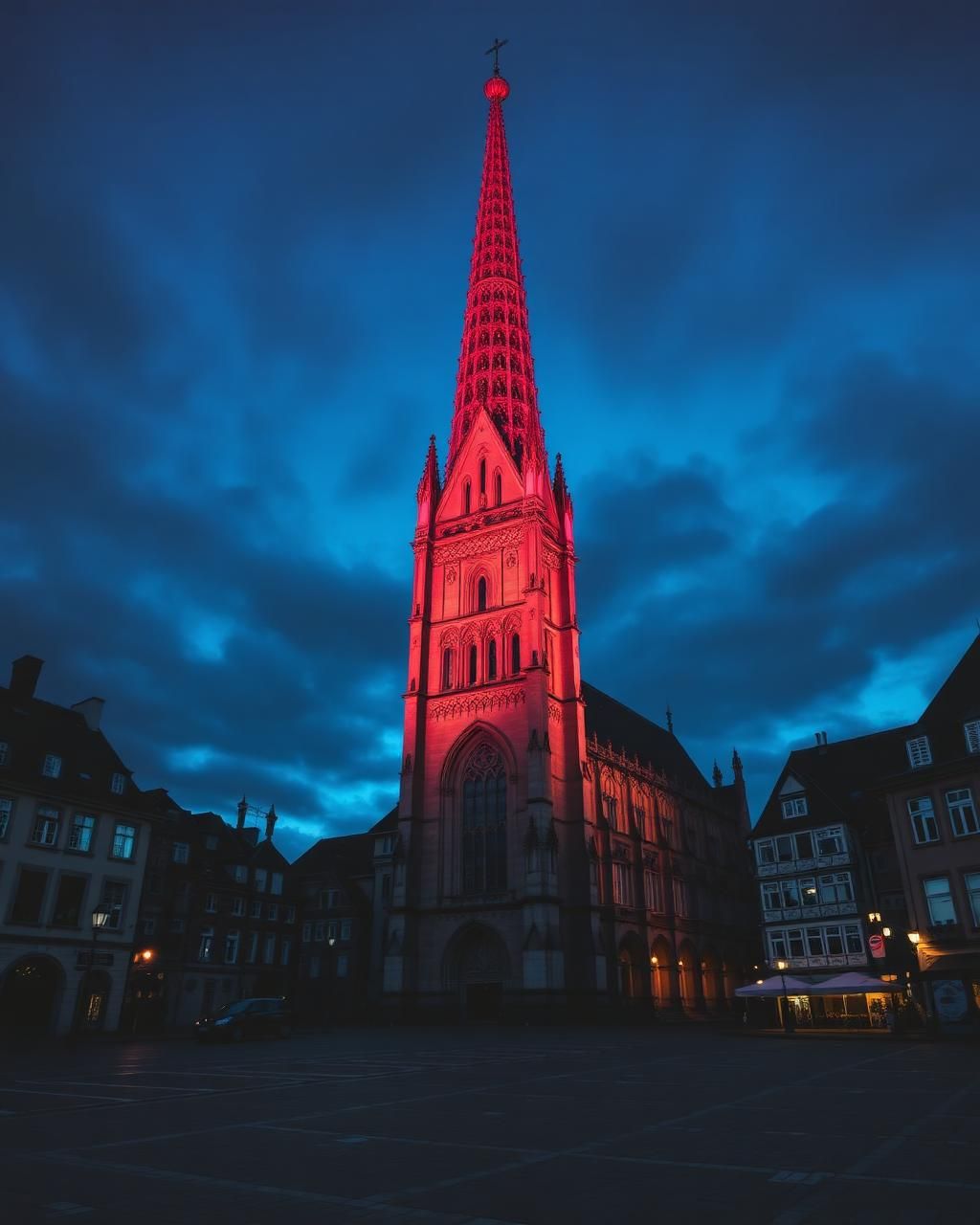
Strasbourg's history is not kept behind glass. It sits under the paving stones, in the curve of a street, in a courtyard you pass without noticing. Here is the story of the city in five chapters — and where to walk to see each one for yourself.
Argentoratum: a Roman camp on the Rhine
Around 12 BC the Romans set up a military camp on an island between branches of the Ill. They called it Argentoratum, and for four centuries it guarded the Rhine frontier. The old-town grid around Rue des Hallebardes and Rue du Dôme still follows the outline of that camp.
Our Roman Argentoratum walk follows the line of the camp from the cathedral quarter to the Archaeological Museum in the Palais Rohan, where the finds from under the city are displayed.
The cathedral and the medieval free city
In the Middle Ages Strasbourg grew rich on the river trade and became a free imperial city, governed by its guilds and merchants rather than a prince. Its pink sandstone cathedral, built over three centuries, was for a long time the tallest building in Europe.
Boatmen, tanners, fishermen and millers lived along the water. Krutenau and Petite France still carry their names and trades — the subject of our Krutenau and old river trades walk.
Gutenberg and the Reformation
Johannes Gutenberg worked in Strasbourg in the 1430s and 1440s, before printing changed the world. A century later the city embraced the Reformation: reformers such as Martin Bucer preached here, and John Calvin lived in Strasbourg from 1538 to 1541.
Hidden cloisters, Saint-Pierre-le-Jeune and Saint-Thomas church tell this chapter. Our Gutenberg, Reformation and hidden cloisters walk starts just a few minutes from our shop.
French, German, French again
Strasbourg became French in 1681. After the war of 1870 it was annexed to the German Empire, and from 1871 to 1918 it served as the capital of the Reichsland of Alsace-Lorraine. The Germans built a whole new imperial district, the Neustadt, with wide avenues, a palace, a university and a railway station.
Since 2017 the Neustadt has been part of the UNESCO World Heritage site alongside the Grande-Île. Our German-era Neustadt walk runs from Place de la République to Saint-Paul church.
A European capital
After 1945 Strasbourg became a symbol of reconciliation. It is home to the Council of Europe and the European Parliament — a city that was argued over for centuries now hosts the institutions meant to end those arguments.
Walk the history yourself
We have drawn four historic walks, each with a map, numbered stops and a short history note: Roman Argentoratum, Krutenau and the old trades, the Neustadt, and Gutenberg and the Reformation. They are free to follow, at your own pace.
If you would like a guide to tell the story in person, on foot or by e-bike, we organise private guided tours on request, in six languages, with a personalised quote.
Questions about Strasbourg's history
- How old is Strasbourg?
- The city goes back to the Roman camp of Argentoratum, founded around 12 BC — more than 2,000 years ago.
- Why is Strasbourg both French and German?
- It changed hands several times: French from 1681, German from 1871 to 1918, then French again. Both cultures shaped its streets and buildings.
- What is the Neustadt?
- The district built during the German period (1871–1918), listed by UNESCO in 2017 together with the Grande-Île.
- Can I explore Strasbourg's history on my own?
- Yes. Our four historic walks have maps and stop notes and are free to follow. Private guided tours are available on request.
Ride this with
The options from this article, with what each one includes.
- Historic walks in Strasbourg
Four free routes with maps and stop notes: Roman Argentoratum, Krutenau, the Neustadt and the Reformation.
See this option - Private guided tours in Strasbourg
Walking or e-bike, drawn around your group: theme, pace, duration and language. On request with a personalised quote.
See this option - Electric bike rental in Strasbourg
Rates, included equipment, pick-up five minutes from the station and free cancellation up to 24 hours before.
See this option - Guided Tours of Strasbourg: Walking or E-Bike, at Your Own Pace9 min read
Our private guided walking and e-bike tours are written around your group: Petite France, the cathedral, Christmas lights — Strasbourg at your own pace, on request with a personalised quote.
Read the guide
How to book
Three steps, no account needed. Free cancellation up to 24 hours before pickup.
- 1
Pick your ride
Choose a rental length — or the Cool Cargo bike for two — on the rentals page.
- 2
Reserve online
Pick your date and time in the booking widget. Reserve now, pay later on most options.
- 3
Collect in the centre
Pick up at 4 Rue du Faubourg-de-Saverne, 5 minutes from the station. Helmet, lock and map included.